Skip to content

Video ยท solar installers

Video for solar installers: how honest film earns a big-spend yes

The short answer

Video for solar installers

Solar is an unfamiliar, high-value purchase surrounded by pushy sellers, so trust decides who wins. Video lets an MCS-certified installer explain panels, batteries and real payback maths in their own voice, and show real installs. That reassurance is what a considered buyer needs, and the film keeps working through a long follow-up.

A solar customer is spending thousands on something they do not fully understand, after weeks of research and a few high-pressure sales calls that left them wary. That is the buying journey video is made for. A short, honest film of a named installer walking through how panels and a battery actually work, what the payback maths really looks like, and a real MCS-certified team on a real UK roof, answers the questions a nervous buyer is asking before they ever pick up the phone. It cuts through the hype the category is full of, because a real face explaining the numbers plainly beats any glossy savings claim. Better still, one honest film keeps earning across a decision that can run a month or more, reused in every follow-up email while the customer weighs their quotes.

Why should a solar installer care about video?

Think about the buyer you are trying to win. They have never bought solar before. They do not really know how a panel differs from a battery, whether the payback numbers a salesperson quoted are honest, or why one system costs thousands more than another. They have already sat through a couple of pushy pitches that left them feeling sold to rather than helped. Now they are sitting at the kitchen table with three quotes, a browser full of tabs, and one nagging worry: who here is telling me the truth?

That worry is the whole ballgame in solar, and video answers it better than anything else you own. A homeowner spending this kind of money on something unfamiliar is buying trust as much as kilowatts, and a real installer explaining, in their own voice, how the panels and the battery actually work and what the payback genuinely looks like does more to earn that trust than any page of claims. It breaks down the barrier that the category's hype has built up.

It matters more here than in most trades because of the scale of the decision and the state of the market. 2025 was a record year, with 257,397 MCS-certified installations, so there is no shortage of demand, and no shortage of firms chasing it with near-identical promises. Video is one of the few things that makes you visibly the honest one. For the wider picture, start with our full guide to marketing for solar installers.

How does video actually work for a solar business?

It works by doing the explaining and the reassuring while the customer is still researching alone, which in solar is where nearly all the deciding happens. The buyer is weeks into reading before they call anyone, so the film that answers their questions during that stretch is the one that gets remembered. Three kinds pull their weight, and none needs a studio.

The explainer

A plain, honest walk-through of how a system works: panels, inverter, a battery if they add one, and crucially the payback maths laid out without spin. This is the piece that turns a confused, nervous researcher into someone who understands what they are buying and trusts the person who explained it. Honesty here is the whole point, because the category is drowning in inflated savings numbers.

The proof film

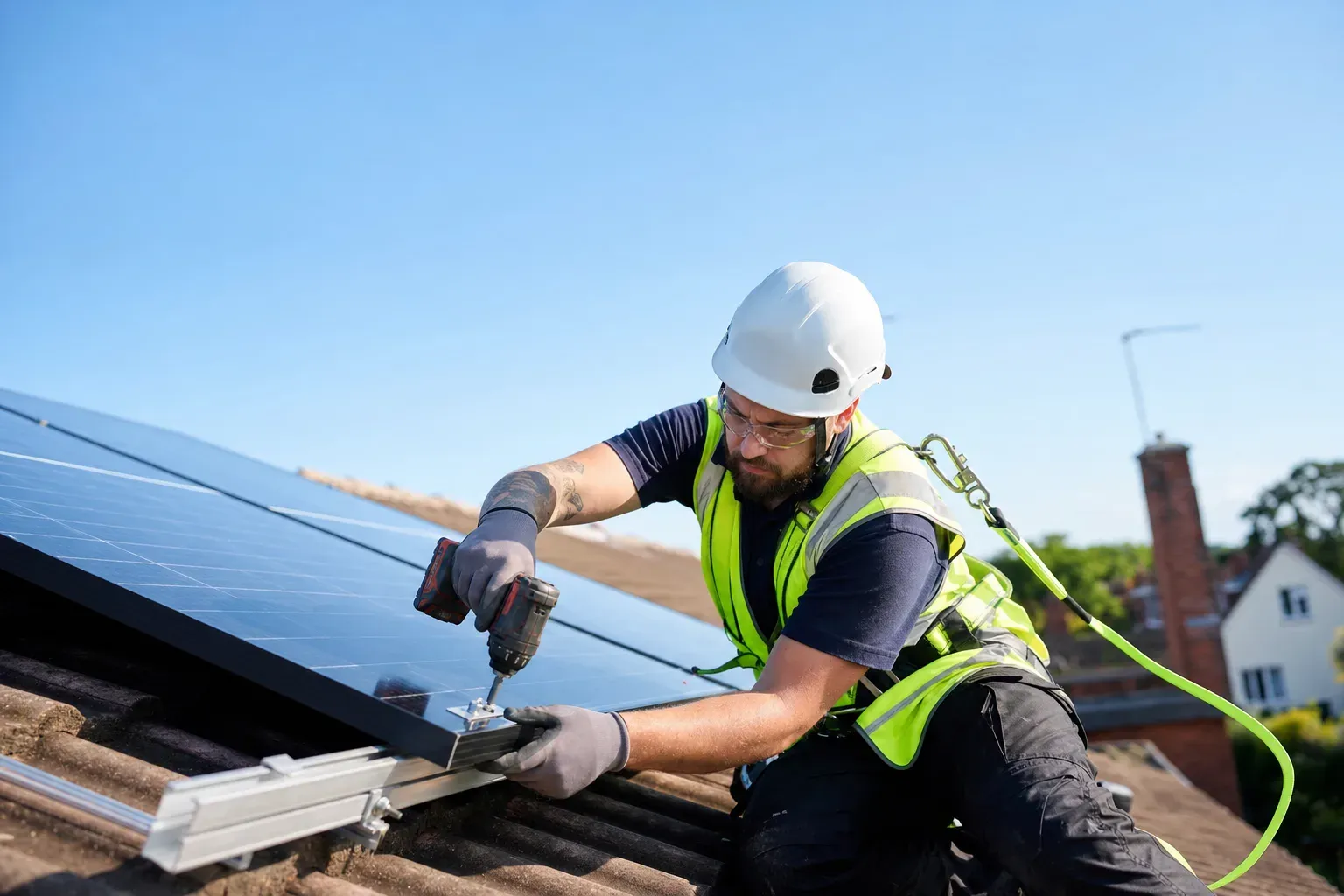
A short tour of a real install on a real UK roof, with your named, MCS-certified team on camera. It shows the standard of the work and puts human faces to the badge that gates your customer's export income and grants.

The customer story

A previous buyer, in their own home, talking about their bills and how the job went. A nervous homeowner believes another homeowner far more readily than they believe a seller.

All three lift the rest of your presence too: they make your solar website convert harder and your Google Ads stand out on a crowded, expensive results page.

When is video the wrong move for a solar installer?

Leave video until later when the things underneath it are not yet in place. Video amplifies a firm, it does not manufacture demand, so it needs something solid to sit on. If your MCS certification is still in progress, your reviews are thin, or you have no website worth sending a researcher to, a polished film will simply carry a wary buyer somewhere impressive and then let them down the moment they dig into the substance. In a category built on trust, gloss over an empty foundation does more harm than no video at all. Get the certification, the reviews and the transparent website sorted first, then let video amplify a firm that already stands up to scrutiny.

It is also the wrong spend if the honesty is not real. A slick advert full of drone shots and confident savings figures that your own payback numbers cannot support is worse than useless in solar, because the considered buyer checks everything, and the moment your claims fall apart on their spreadsheet, the trust is gone and so is the job. If you would not put a specific return in writing, do not imply it on camera. The whole value of video here is that it lets you be the transparent one, and a dishonest film throws that away.

And be straight about payoff. Video's return shows up in more researchers choosing you and in warmer follow-up conversations, not as a single tracked number this quarter. If what you need right now is measurable lead volume against the competitive cost terms, that is a job for paid search first, and video comes in behind it to lift the trust that closes.

What does good solar video look like?

Honest, clear and genuinely useful, built to teach rather than to dazzle. Good solar video treats the customer as an intelligent person making a big, unfamiliar decision, and helps them understand it. It never tries to be a savings-claim advert, because that is exactly the sales style the buyer is already sick of.

The anchor is the explainer that respects the numbers: a named installer talking a homeowner through generation, storage and realistic payback, quoting only what a customer's own figures would support and being open about what solar will and will not do for a given roof. Around it sits a small library of real-install films, your MCS-certified team on real UK roofs, and a couple of customer stories filmed in people's own homes rather than to a script.

Where it lives matters as much as what it says. Good video is placed where the considered buyer actually is: on your cost and payback pages, in your quote follow-ups, in your Google Business Profile, and in your ads. It is not buried on a page nobody reaches. And it holds up on detail, because among the thousands of firms chasing a record market, the one who explained the maths honestly on camera is the one the buyer trusts with thousands of pounds. Real team, real roofs, real numbers, over stock footage every time.

Looking to grow your solar installers business with Video?

The free call is with a trades and construction marketing specialist. Ask your questions and get a clear understanding of how Video works for solar installers businesses like yours, and how it helps you grow.

What mistakes do solar installers make with video?

The first is selling on camera instead of explaining. Installers film a punchy advert full of savings promises, and it lands exactly like the pushy calls the buyer is trying to escape. In solar the trust comes from teaching, not pitching, so a calm explainer of the payback maths beats a confident sales reel every time.

The second is filming only the roofs and never the people. The panels look neat, the wiring is tidy, and there is not a single human face in it. But the buyer's real worry is who they are trusting with a five-figure job on their home, so the named, MCS-certified team has to be on screen.

The third is treating video as a one-off rather than something you reuse. This is where a lot of value leaks away, and it ties straight to the biggest hole in a solar pipeline: follow-up. In this trade, most enquiries do not buy on the first call. They go quiet for weeks while they compare quotes, and too many installers let those leads cool with nothing landing in the inbox. That is not usually a shortage of leads, it is a shortage of follow-up, and it leaves plenty of work for competitors to pick up. A good explainer film fixes part of that: drop it into every nurture email, and the customer keeps hearing the honest voice that first won them over while your rivals stay silent.

The fourth is over-polishing until the film stops feeling like you and starts feeling like every other solar advert. The moment it reads as marketing rather than a real installer talking straight, it stops doing its job.

What does video cost for a solar installer?

Honest answer: far less than most installers assume, and the most valuable version costs almost nothing to start. A phone at the top of a scaffold will capture a real install, and a quiet ten minutes explaining a system to camera will get you a rough explainer that already beats the stock imagery your competitors hide behind. The barrier is rarely the kit. It is the willingness to stand in front of the lens and talk plainly.

Where paying makes sense is the anchor explainer: the piece a nervous buyer watches while they weigh their quotes. Getting that one right, with clear sound and honest editing that keeps the maths front and centre, earns its keep for years and reuses across every follow-up. What is not worth paying for is a glossy production with drone footage and a slick voiceover, especially from anyone quoting a big number before they have asked who your customers are or what worries them.

Hold onto what you are actually buying. Video's payoff shows up in more researchers trusting you and in follow-ups that stay warm, not in one line on a report. Judge it the way you would judge a properly signwritten van or a genuine set of accreditations on the wall: it makes you look like the honest firm a big, careful spend wants to say yes to. Spend on being real and clear, not on being shiny.

How do you get started with video?

Start by being straight with yourself about the foundations. If you are MCS-certified, your reviews are landing, and your website already tells the truth about cost and payback, you are ready for video to amplify all of it. If any of those are shaky, sort them first, because video sends a careful buyer straight into your presence and your presence has to survive the scrutiny.

Then start small and real. On your next install you are proud of, take ten minutes at the top and film a short walk-through. Back on the ground, get someone to hold the phone while you explain, in plain words, how a system works and what a fair payback looks like. That rough footage will teach you more about what reassures a solar buyer than any theory, and it costs you nothing but nerve. Remember the VAT window too: with the zero rate due to revert to 5% on 31 March 2027, an honest explainer of what that means for a customer is exactly the kind of useful, trust-building film worth making now.

When you are ready to make the anchor explainer properly, or you would rather hand it over, that is what our video production service is for: honest, real film built to show the people, the work and the numbers. Either way, book a 20-minute call and we will tell you straight whether video is your next best spend, or whether something else earns its place first.

FAQ

Frequently asked questions

Do solar installers really need video, or is that for bigger firms?

It suits a smaller, owner-led installer especially well, because you are the trust the buyer is looking for. A large outfit hides behind a brand, but you can put a named, MCS-certified face on camera and explain the payback maths honestly. In a record market of thousands of firms making similar promises, that plain-spoken human is what makes a wary buyer choose you.

Won't a slick sales video help me close more solar jobs?

Usually the opposite. Solar buyers have already endured pushy pitches and inflated savings claims, so a glossy sales reel lands like more of the same and puts them on guard. What earns the job is an honest explainer that respects their intelligence and their spreadsheet. Teach, do not sell. The considered buyer checks every number, so any claim your payback maths cannot support costs you the trust.

Isn't professional solar video too expensive?

The version that matters most is nearly free. A phone captures real installs, and a rough explainer of how a system works and what payback looks like already beats stock imagery. Pay for one thing: a proper anchor explainer with clear sound and honest editing. Anyone quoting a five-figure advert before asking what your customers worry about is selling gloss, not trust, and gloss is what this buyer distrusts most.

How does video help when most solar enquiries take weeks to decide?

That long, quiet consideration is exactly where video pays off. Most enquiries do not buy on the first call; they go silent comparing quotes, and weak follow-up is where the work leaks to competitors. Drop your honest explainer into every nurture email and the customer keeps hearing the voice that first won them over, warm and reassuring, while rival installers stay silent in their inbox.

What should be in a solar installer's video?

Three things. An explainer walking through panels, batteries and honest payback maths, so an unfamiliar buyer understands what they are purchasing. A real-install film with your named, MCS-certified team on a UK roof, putting faces to the badge. And a customer story filmed in someone's own home. Keep every piece short and plain, and never quote a return your customer's own numbers would not support.

Next step

See what intelligent growth looks like for your business.